Curriculum Design, Instructional Design, and Teaching Methods: Creating Effective Learning Experiences
Effective education depends on clear learning objectives, well-structured lessons, and teaching approaches that respond to learners’ needs. Curriculum Design, Instructional Design, and Teaching Methods work together to create organized, engaging, and meaningful learning experiences.
By connecting curriculum planning with effective instructional design and flexible teaching practices, educators can improve student understanding, encourage participation, and create learning programs that are easier to evaluate and adapt.
1. Curriculum Design and Instructional Design
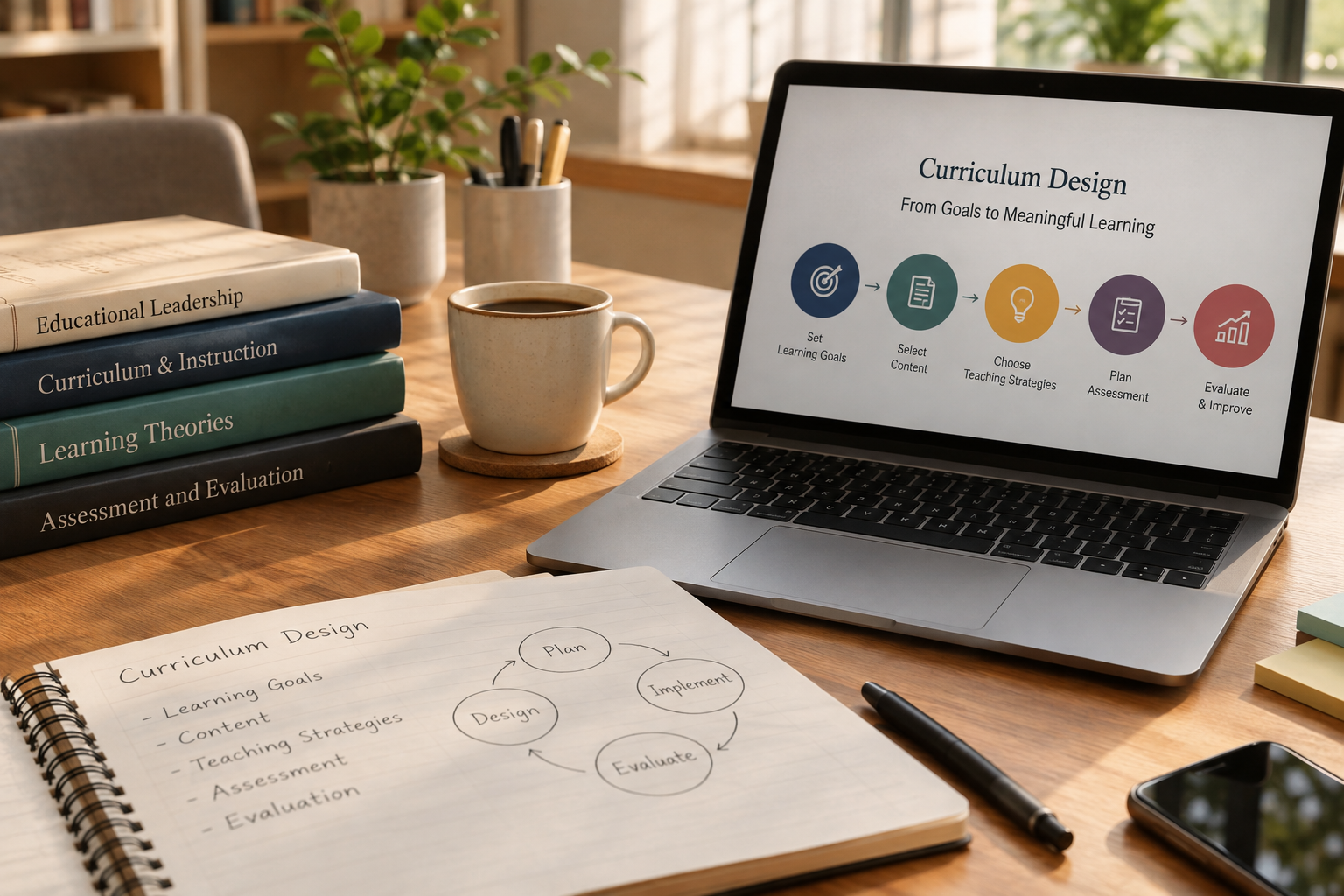
Curriculum Design is the process of planning the subjects, topics, learning objectives, activities, and assessments included in an educational program. It establishes a clear structure for what learners should achieve and how their progress can be measured.
Instructional Design focuses on developing effective learning experiences. It includes selecting and organizing content, choosing appropriate resources, and creating activities that help learners understand and apply new knowledge.
Together, Curriculum Design and Instructional Design help educators:
-
Set clear learning objectives
-
Organize educational content logically
-
Connect lessons with learners’ needs
-
Develop suitable learning activities and assessments
-
Improve the overall learning experience
A well-designed curriculum provides direction, while effective instructional design helps turn that direction into meaningful learning experiences.
2. Teaching Methods and Classroom Practice
Teaching Methods are the techniques educators use to explain information, develop skills, and encourage student participation. The most suitable teaching method depends on factors such as the subject, learners’ age, learning objectives, class size, and individual abilities.
Common Teaching Methods
Educators can use different approaches, including:
-
Lectures and guided explanations
-
Group discussions and teamwork
-
Practical demonstrations
-
Project-based learning
-
Problem-solving activities
Using a combination of teaching methods can make lessons more flexible and support learners with different needs. It can also encourage more active and student-centered classroom environments.
3. Educational Applications and Practical Value
Curriculum Design, Instructional Design, and Teaching Methods can be applied across schools, universities, training centers, and online learning environments.
When these three areas are effectively connected, educators can create learning programs that are clearer, more relevant, and easier to evaluate.
Key Educational Benefits
They can help institutions and educators:
-
Improve student understanding
-
Increase classroom participation
-
Support independent learning
-
Connect theoretical knowledge with practical situations
-
Create more structured learning experiences
-
Respond to different learner needs
Educational institutions should regularly review their curricula and teaching practices to respond to changes in technology, society, student needs, and professional requirements.
Conclusion
Effective learning requires more than delivering information. Curriculum Design establishes what learners should achieve, Instructional Design determines how learning experiences should be structured, and Teaching Methods influence how lessons are delivered.
When these elements work together, education becomes more focused, engaging, and responsive. They provide educators with practical tools to support student progress and create stronger learning outcomes.
Written by Jayan Selim.