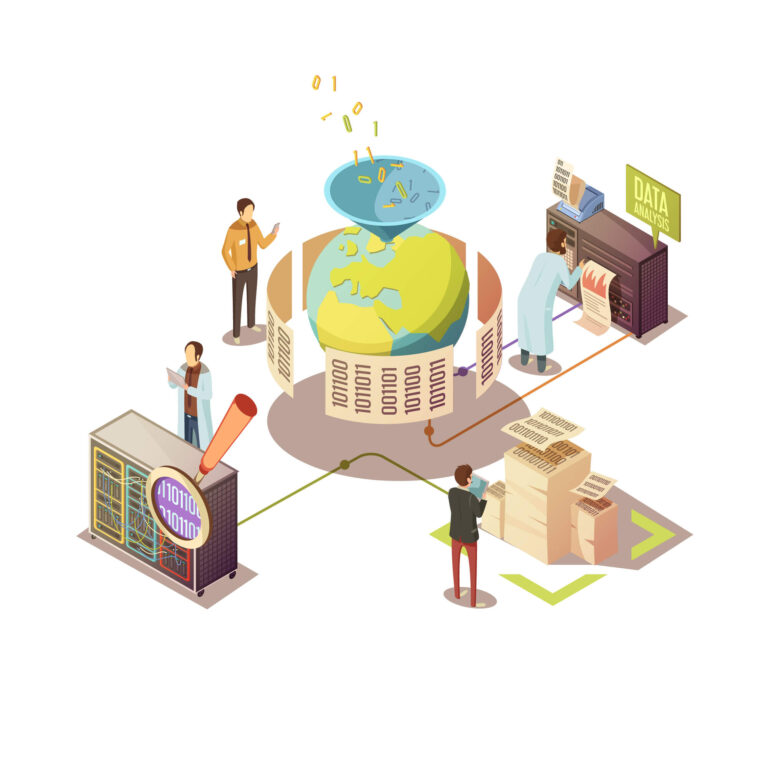
How Reporting Analysis and Data Analysis Support Effective Decision-Making
Discover how reporting analysis and data analysis transform raw data into insights that support decision-making, business protocol, communication, and organizational success.
In today’s data-driven business environment, reporting analysis and data analysis play a critical role in supporting effective decision-making. These disciplines help organizations transform raw data into actionable insights that guide strategy, improve performance, and strengthen organizational credibility.
What Is Reporting Analysis?
Reporting analysis is one of the most rapidly growing interdisciplinary fields. It combines two essential functions:
Reporting: Organizing and presenting historical data
Analysis: Interpreting that data to identify trends, root causes, risks, and future opportunities
By integrating reporting with analytical interpretation, organizations can move beyond numbers to understand what happened, why it happened, and what should happen next.
Reporting analysis converts raw data into meaningful insights that support:
Strategic decision-making
Performance measurement and monitoring
KPI development across departments
Business forecasting and growth planning
Establishing structured business protocols
The Role of Business Protocol in Organizational Performance
Business protocol refers to the formal and informal policies, rules, and behavioral standards that guide professional conduct within an organization. These protocols shape how employees and leaders communicate internally and externally.
Business protocol is often derived from branding, perception management, and communication etiquette through channels such as emails, phone calls, official letters, and public statements.
Key elements of business protocol include:
Dress code
Punctuality
Respect for hierarchy
Active listening
Professional presence and conduct
Adhering to business protocol enhances productivity, builds trust, strengthens relationships, and reinforces the organization’s professional image.
The Spokesperson’s Role: Where Data Meets Communication
A spokesperson represents the organization to the public and the media. Their role is vital in marketing, brand positioning, and crisis management. To be effective, a spokesperson must strictly follow business protocol while delivering accurate, clear, and credible messages.
Successful spokespersons rely heavily on reporting analysis and data analysis to:
Ensure content accuracy
Support transparency
Maintain credibility
Address public concerns during critical situations
Creative Content Writing Powered by Data Analysis
Creative content writing is not driven by imagination alone—it is increasingly powered by data analysis. Creative writing involves using language, imagery, and storytelling techniques to communicate ideas, emotions, and messages effectively.
Within organizations, data analysis serves as a core input for creative content creation by:
Identifying audience preferences
Understanding behavioral patterns
Shaping brand voice and messaging
Supporting reputation management strategies
Data analysis includes examining, cleaning, transforming, and modeling data to extract insights, identify patterns, and support informed decisions. These insights guide content creation and ensure alignment with organizational goals.
Why Data and Reporting Analysis Matter for Decision-Making
Together, data analysis and reporting analysis form the backbone of modern decision-making. They enable organizations to:
Make evidence-based decisions
Reduce uncertainty and risk
Improve operational efficiency
Strengthen communication strategies
Align business protocol with strategic objectives
Conclusion
Reporting analysis and data analysis are no longer optional tools—they are essential drivers of effective decision-making, professional communication, and sustainable organizational success. When integrated with business protocol and creative content strategies, they empower organizations to act with clarity, credibility, and confidence.