
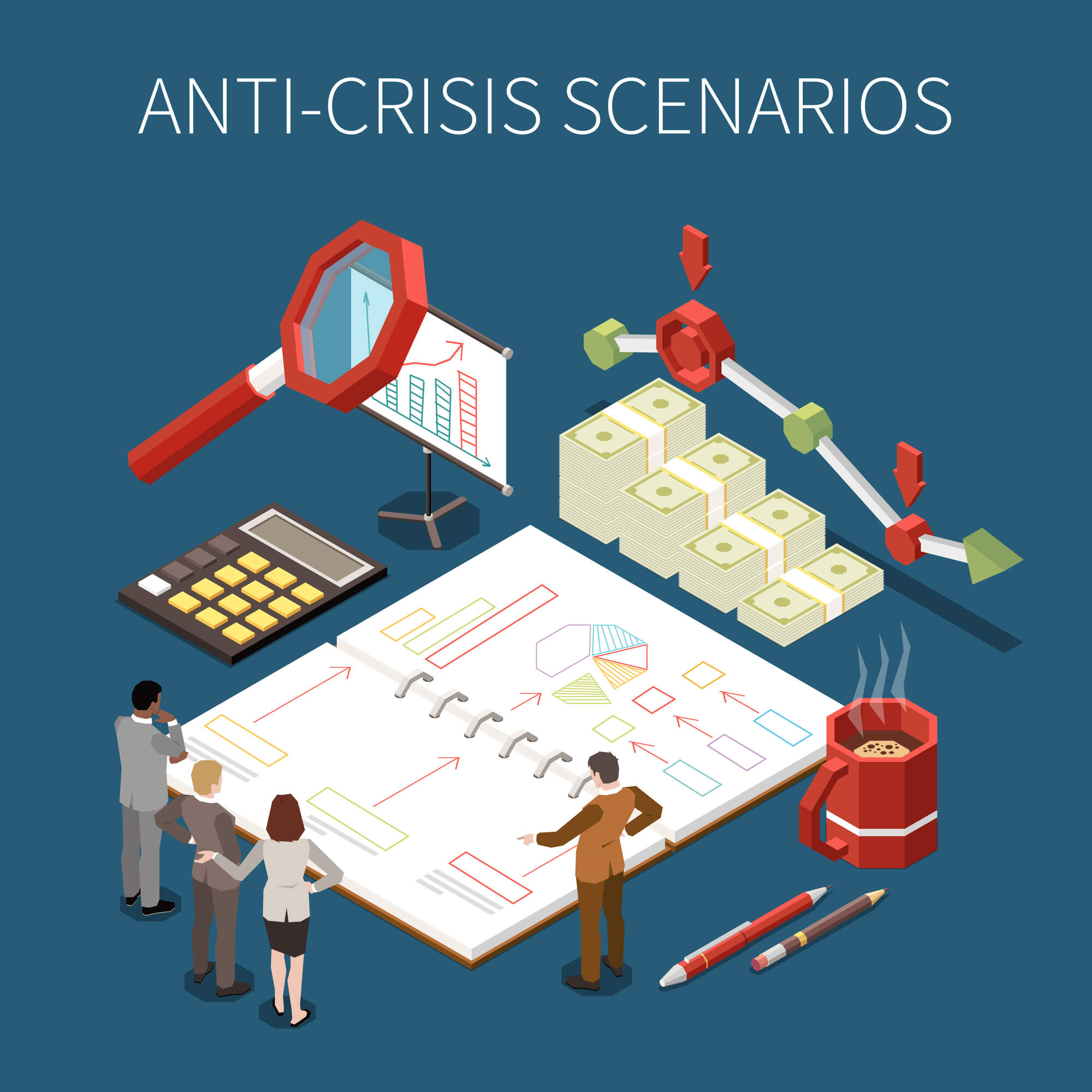
Anti-Corruption Frameworks and Public Sector Risk Management
Learn how anti-corruption frameworks improve public sector risk management through governance, policy implementation, workforce development, and performance management.
An effective anti-corruption framework is one of the most important tools for strengthening public sector risk management and improving government decision-making. In modern governance systems, reducing corruption risks requires a multidisciplinary approach that combines governance, policy implementation, workforce development, and performance management.
Public Sector Risk Management and Decision-Making
Decision-making in the public sector involves managing complex economic, operational, legal, and social challenges. Public sector risk management focuses on identifying, evaluating, and mitigating risks that may affect government operations, infrastructure, and public services.
These risks may be:
Internal risks, such as operational inefficiencies and corruption
External risks, such as economic instability or regulatory changes
Effective risk management improves accountability, protects public resources, and enhances the quality of public service delivery.
The Role of Governance Frameworks
Governance frameworks are the foundation of accountability and transparency within the public sector. A governance framework provides a structured system of:
Policies
Procedures
Rules and regulations
Organizational roles and responsibilities
These frameworks support:
Ethical decision-making
Risk management activities
Compliance with laws and regulations
Sustainable public sector operations
Strong governance frameworks also help governments manage national infrastructure effectively, including transportation systems, utilities, healthcare facilities, and communication networks.
Policy Design and Implementation in the Public Sector
One of the most important responsibilities of governments is policy design and implementation. Public policies help governments address social, economic, and operational challenges while ensuring legal compliance and institutional efficiency.
Policy design and implementation are closely connected to:
Public sector governance
Legal and regulatory frameworks
Risk mitigation strategies
Public accountability
Effective public policies strengthen transparency, improve institutional performance, and support sustainable development.
Performance Management and Workforce Development
Improving public sector decision-making requires strong performance management systems. Performance management is a continuous strategic process that involves:
Monitoring employee performance indicators
Reviewing goals and responsibilities
Aligning workforce objectives with organizational goals
Providing ongoing feedback and communication
Performance management goes beyond annual evaluations. It creates a culture of continuous improvement and accountability within public institutions.
The Importance of Workforce Development
Workforce development is a long-term strategic approach focused on improving:
Employee skills and competencies
Productivity and operational efficiency
Human capital development
Service quality in the public sector
In government institutions, workforce development directly impacts the effectiveness of public service delivery and institutional integrity.
Building an Effective Anti-Corruption Framework
An effective anti-corruption framework depends on the integration of:
Governance frameworks
Risk management systems
Performance management
Workforce development
Policy implementation
Anti-corruption frameworks help public institutions:
Increase transparency and accountability
Reduce operational and financial risks
Improve ethical conduct
Strengthen public trust
Enhance decision-making processes
By investing in workforce capabilities and strengthening governance structures, governments can create resilient institutions capable of minimizing corruption risks and improving overall public sector performance.
Conclusion
Anti-corruption frameworks are essential for improving public sector risk management and strengthening government accountability. Through effective governance, policy implementation, performance management, and workforce development, governments can reduce corruption risks, improve service delivery, and support sustainable public sector growth.


good
Perfect