
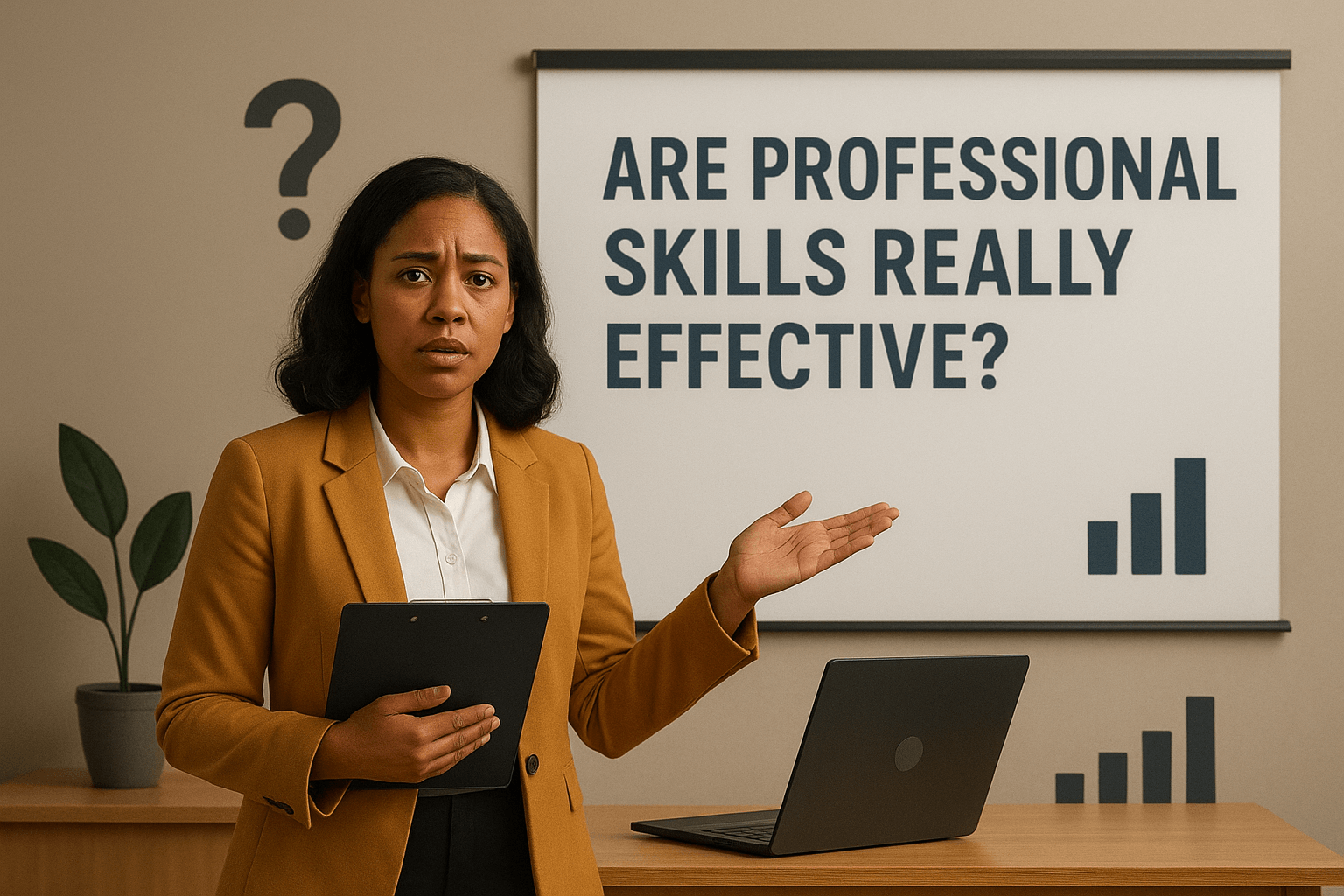
Learn how strong leadership boosts team performance and workplace efficiency.
In both professional and social environments, managers need strong professional and management skills to lead effectively. These skills shape how managers organize tasks, guide their teams, and make decisions that drive success.
Why Professional Skills Matter in Management
Management techniques are tools that help managers plan, organize, lead, and control their work processes. These techniques differ from one manager to another, depending on personality, leadership style, and professional skills.
There is no single “best” management technique—the most effective approach is the one that aligns with the manager’s strengths and professional capabilities.
In any workplace, professional skills simplify the management process and significantly improve efficiency. In fact, management contributes to nearly half of the overall success of any operational process. Strong management is the core driver behind effectiveness, coordination, and productivity.
Effective Communication: The Foundation of Strong Management
Among all professional skills, effective communication is one of the most influential. It enhances performance in both professional and social settings by building trust and stronger relationships.
Clear and empathetic communication creates solid rapport within the team and supports better team building.
Simply put, “Effective communication is the key to performance.”
The Impact of Briefing Techniques
Teams experience a manager’s professionalism through how they communicate—especially through briefing techniques. Briefing includes short, focused messages delivered by team leaders to motivate, align, and inspire their members.
In Arab and Egyptian workplaces, motivational briefing techniques are exceptionally powerful. They boost morale, reduce workplace stress, and lead directly to improved performance.
Navigating Conflict in the Workplace
Today’s professional environment is not always simple. Competition and conflict often arise as individuals chase opportunities and recognition.
This is why managers must strengthen their professional skills to manage conflict, build trust, and maintain a healthy work environment.
Professional and Social Skills Go Hand in Hand
Interestingly, both social and professional environments share a common goal: earning trust. Whether dealing with colleagues, clients, or acquaintances, the ability to influence others—and to receive a “yes” when making requests—depends on strong interpersonal and communication skills.


Very useful
Interesting